Everyone has had the moment: the cast-iron skillet is screaming hot, both hands are full, and the countertop is right there. Whether that split-second decision leaves a mark or nothing at all is a risky game.
Why heat is a problem in the first place
Countertops live at room temperature. A pan fresh off the burner can reach 400–500°F, which creates a violent temperature swing in a small area causing thermal shock. The surface expands rapidly where the pan sits while the surrounding material stays cool, and that stress has to go somewhere.
Granite: the most forgiving of the bunch
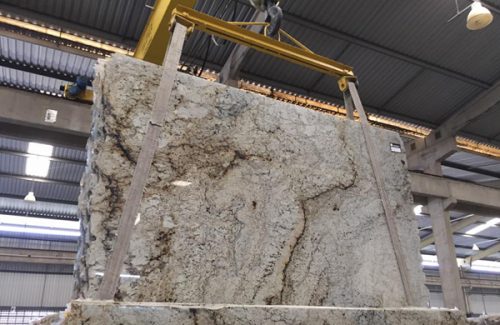
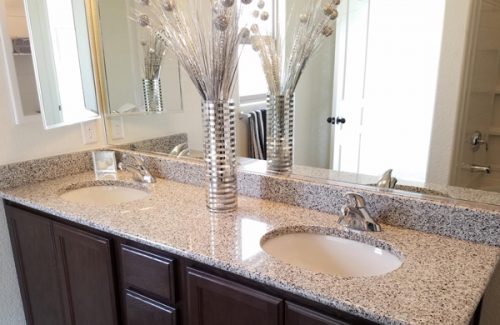
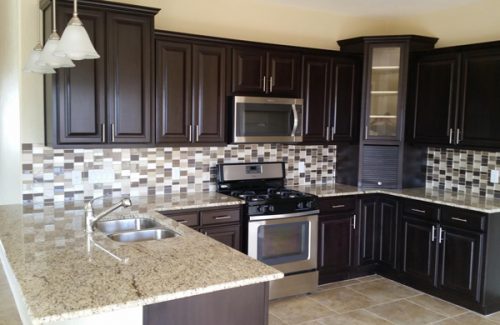
Granite was literally born in heat, formed as magma cooled deep underground and is one of the better options for handling heat. Setting a hot pan on granite will usually leave no trace.
"Usually" is doing some work in that sentence. Extreme thermal shock can still cause stress cracks, especially if the pan is far hotter than the stone or the slab has a natural weak point where the pan lands. Heat can also scorch or discolor the sealer. Many slabs have tiny resin-filled fissures from the factory that can discolor under intense heat. The practical rule: granite may forgive the occasional lapse, but a trivet is still cheap insurance and it’s better to not put a hot pan on your granite.
Quartz: the resin is the weak link
Quartz countertops are roughly 90–95% ground quartz crystals held together with 5–10%polymer resins and pigments. The quartz crystals themselves couldn't care less about a hot pan. The resin on the other hand does. Resins begin to soften at sustained temperatures as low as 150°F, and direct exposure above roughly 300°F can scorch them — leaving a cloudy white or yellowed mark where the pan sat. A stovetop-hot pan at 400–500°F is well past that threshold. This damage is most likely permanent: you can't buff out scorched resin and restore the factory finish. Sudden, extreme heat can also cause thermal shock cracking.
This is the one material where the rule is absolute: never place a hot pan, baking sheet, or even a slow cooker directly on quartz. With quartz, trivets aren't optional — they're the price of admission.
Questions and answers
Can you put a hot pan on granite countertops?
The practical rule: granite may forgive the occasional lapse, but a trivet is still cheap insurance and it’s better to not put a hot pan on your granite.
Can you put a hot pan on quartz countertops?
This is the one material where the rule is absolute: never place a hot pan, baking sheet, or even a slow cooker directly on quartz.
What causes thermal shock in countertops?
Countertops live at room temperature. A pan fresh off the burner can reach 400–500°F, which creates a violent temperature swing in a small area causing thermal shock. The surface expands rapidly where the pan sits while the surrounding material stays cool, and that stress has to go somewhere.
Do quartz countertops need trivets?
With quartz, trivets aren't optional — they're the price of admission.
Can a slow cooker sit directly on quartz countertops?
This is the one material where the rule is absolute: never place a hot pan, baking sheet, or even a slow cooker directly on quartz.
Have a question about your project?
Visit the Sierra Vista showroom or call the shop to talk through slab selection, tile application, and fabrication planning for your project.