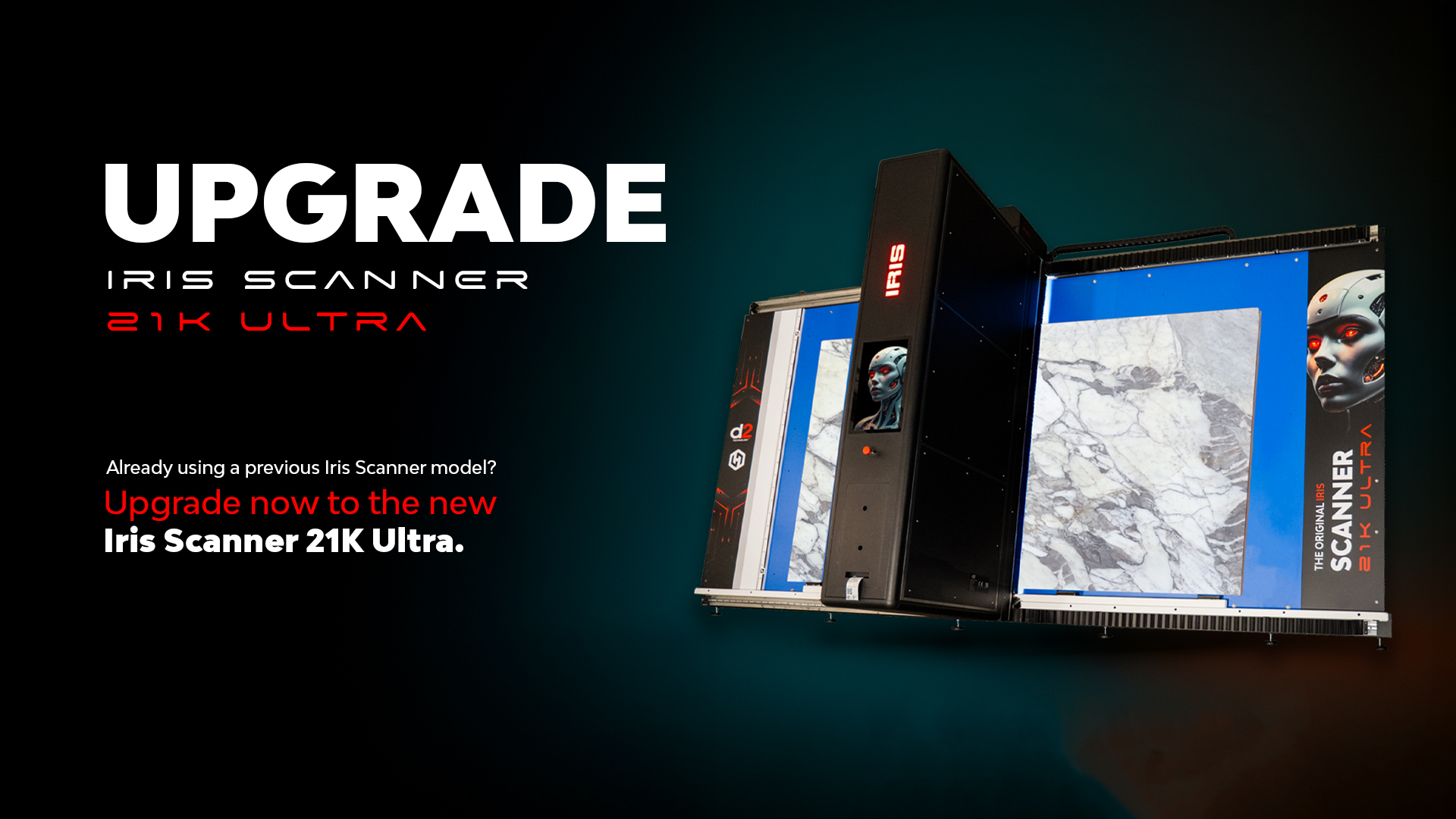
Iris Scanner 21K Ultra
Horus positions the Iris 21K Ultra as a flagship scanner for detailed slab imaging, digital inventory control, and a showroom-anytime workflow that carries the slab conversation beyond a single in-person visit.

Sierra Vista Tile
Granite + Quartz + Tile
Countertops across Southern Arizona · Tile & remodeling in Sierra Vista
Technology
Sierra Vista Tile uses the Horus Iris workflow to make slab selection more visual, more transparent, and easier to discuss before fabrication begins.
Horus Iris at a glance
Showcase
Public Horus materials emphasize high-resolution slab imaging, cropped and detailed slab views, cloud-connected inventory, and showroom access beyond the shop floor.
Horus positions the Iris 21K Ultra as a flagship scanner for detailed slab imaging, digital inventory control, and a showroom-anytime workflow that carries the slab conversation beyond a single in-person visit.
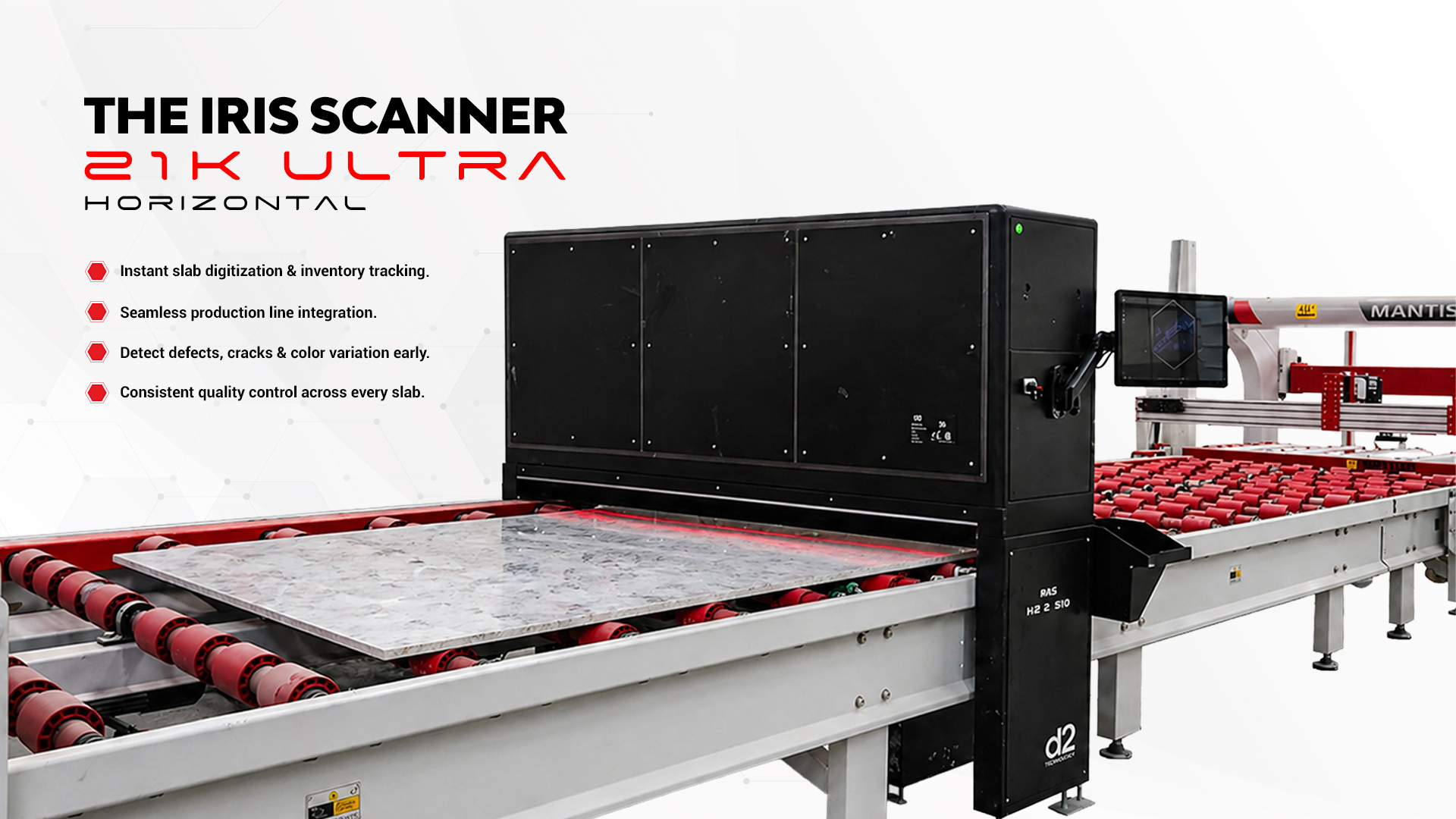
A horizontal scanner configuration geared toward fast, repeatable production-line capture.
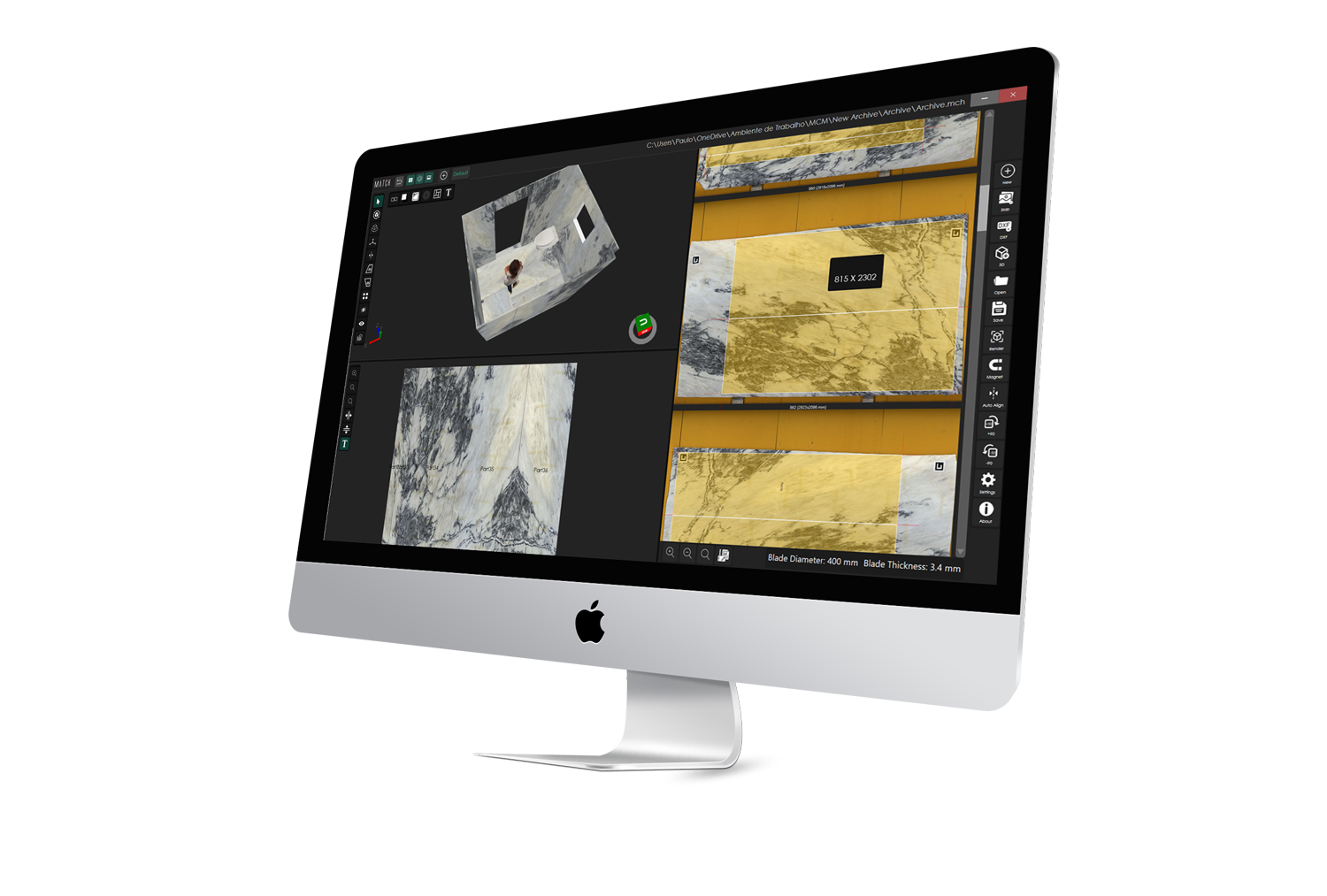
A digital interface view that helps explain cloud inventory, showroom access, and presentation workflows.
Use cases
The value is not only speed or scan resolution. It is the ability to make countertop planning more concrete for the customer before production starts.
High-resolution slab capture helps customers review movement, color variation, and overall character before fabrication decisions are locked in.
Digital slab views make it easier to talk through where seams may land and how prominent veining can be oriented across islands, vanities, or splash zones.
Public Horus positioning emphasizes textures, dimensions, and imperfections, which supports clearer expectations before the slab reaches final layout decisions.
A digital slab catalog makes it easier to continue the material conversation after a showroom visit instead of relying only on memory or a small sample.
Public Horus materials describe the Iris 21K Ultra slab scanner as a high-resolution digital capture system that brings slab color, veining, shine, and dimensions into a highly accurate viewing workflow.
A digital slab view helps customers understand movement, seam planning, and how a chosen stone may read across a finished countertop.
Handling measuring, planning, fabrication, and installation through one shop creates tighter quality control and fewer handoff problems.
Recycled fabrication water reinforces a disciplined shop process and helps communicate that the operation is investing in both quality control and shop efficiency.
Planning process
The scanner matters because it changes the quality of the planning conversation. Customers can understand slab realism, layout options, and how the chosen material may read once installed.
Step 1
Horus markets the Iris 21K Ultra around fast, high-resolution capture that preserves slab realism for later review.
Step 2
The planning team can study the slab image for direction, bold transitions, and focal areas that should be highlighted or avoided.
Step 3
Customers can see a clearer representation of how a selected slab may be oriented before pieces are cut for production.
Step 4
Technology improves the conversation and the layout confidence, while in-house craftsmanship still determines the quality of the finished installation.